✦ Free UK delivery over £40✦ Shop live with us by video, from anywhere →✦ Every £10 is a stamp towards a free pet rock
SpiritCrystals
Christmas at Highcross, LeicesterMeet Santa · Saturday 12 & 19 December11am–5pm · free with a completed festive loyalty cardFind out more →All December at Highcross, LeicesterA free geode to crack openpick up your free voucher in the shop · Highcross onlyFind out more →
✦ Free UK delivery over £40 · Shop live by video
SpiritCrystals
Meet Santa at HighcrossSat 12 & 19 Dec · 11am–5pm · LeicesterA free geode all DecemberVoucher in our Highcross shop · Leicester
Crystal guide · Online and in our shops

Carnelian the stone of courage

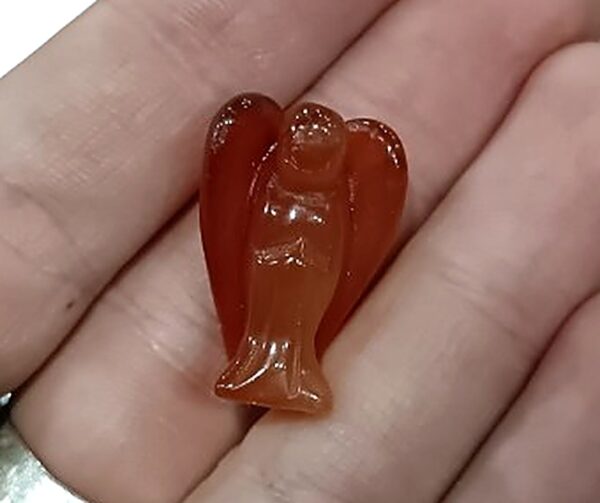
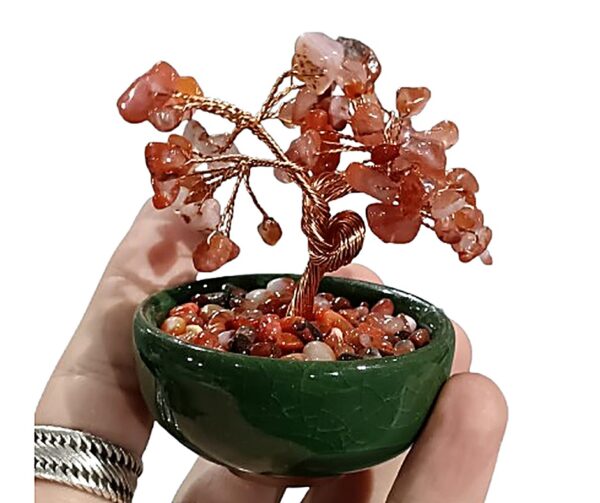
A warm orange to red chalcedony, carved into seals and amulets since ancient Egypt. Traditionally kept for courage, motivation and creativity.

Shop carnelian →All stones A–Z
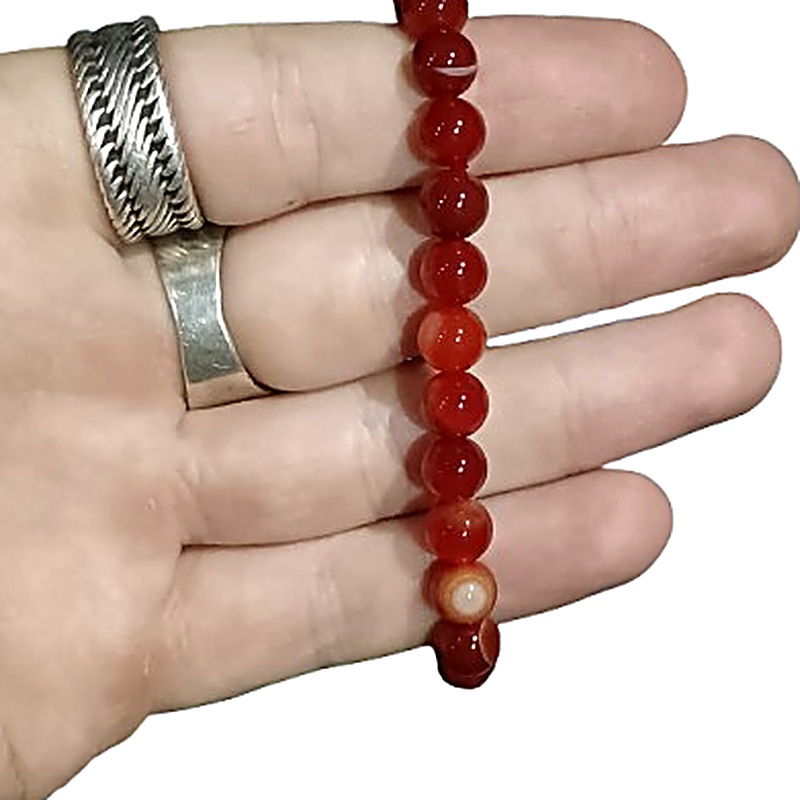
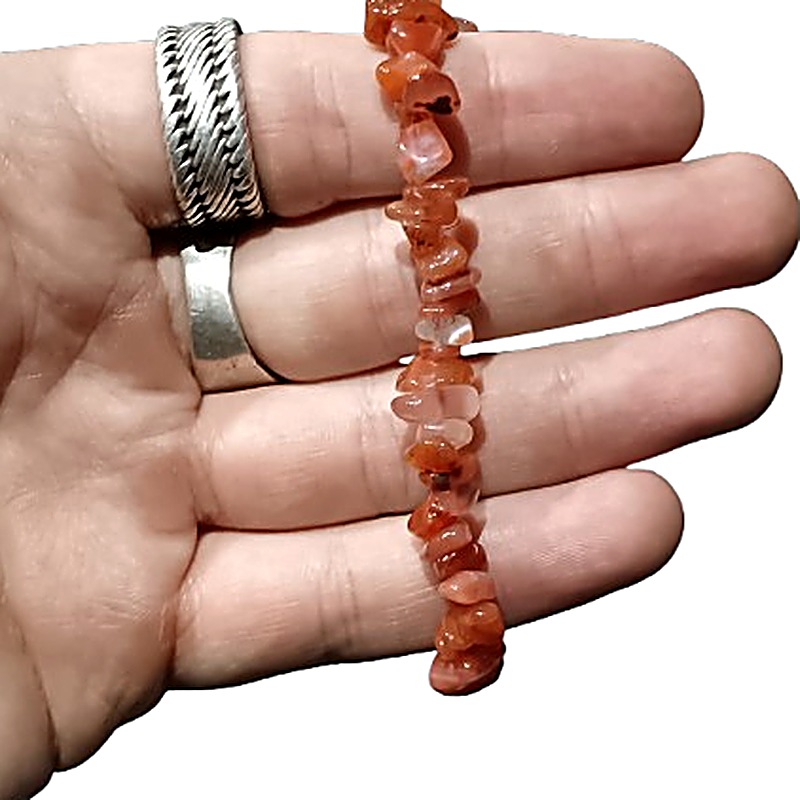
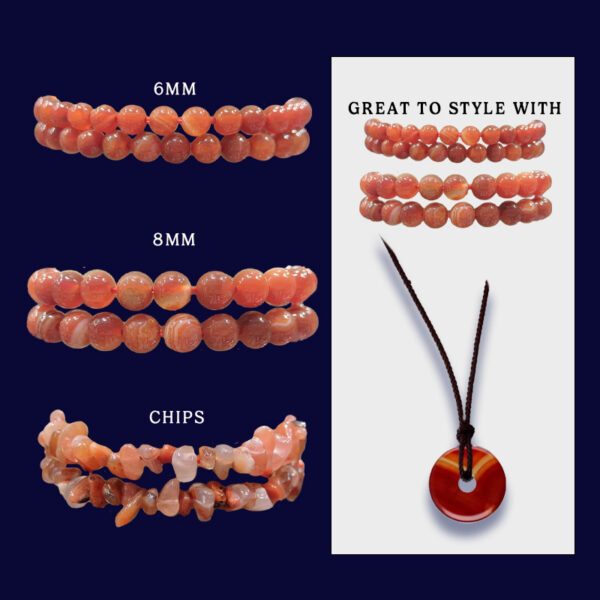
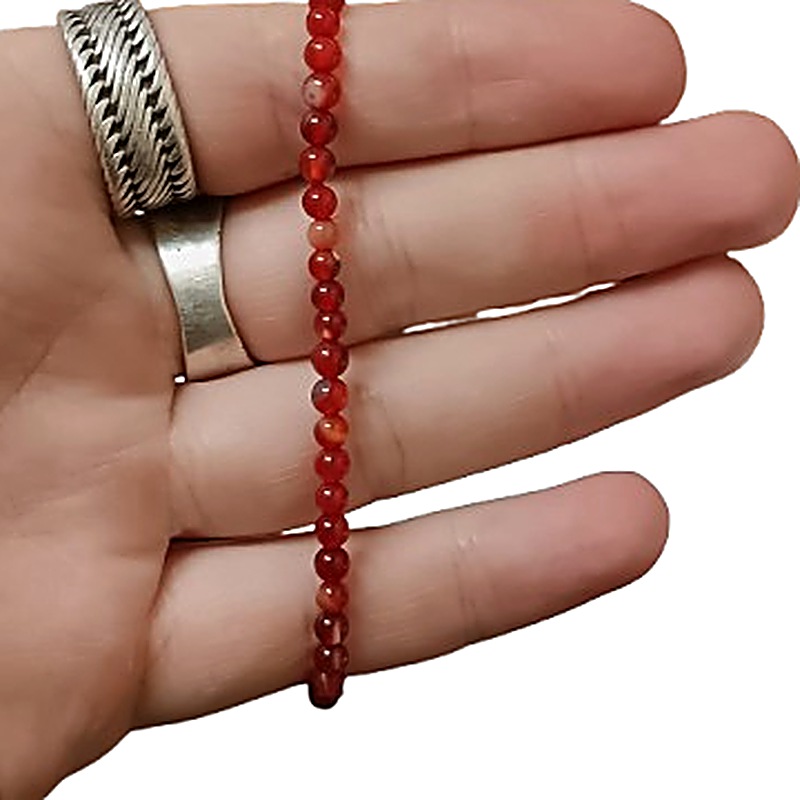
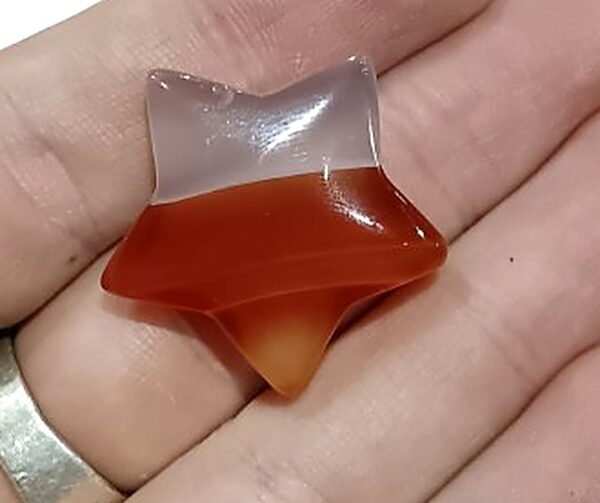
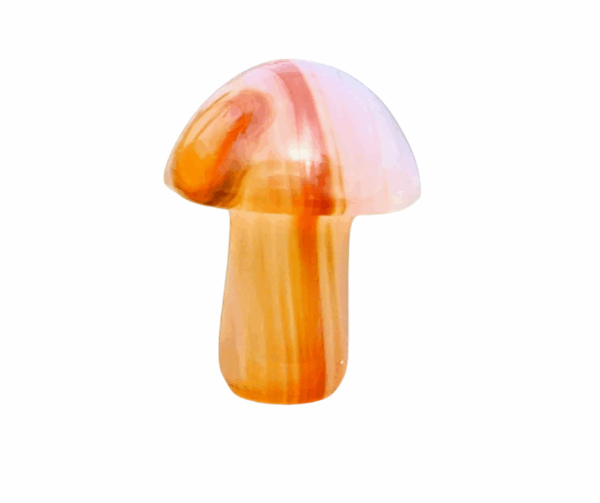
Tumblestones, carvings and bracelets online and in our Derby and Leicester shops
In depth

Everything about carnelian

What carnelian is and what gives it its colour, its long history from Egyptian amulets to Roman seal rings, natural and heated carnelian, what it has traditionally been used for, and how to look after it. Written by the team at our crystal shops in Derby and Leicester.

MineralChalcedony (a form of quartz)
ColourOrange to deep red-brown
Hardness6.5 to 7 out of 10
Found inIndia, Brazil, Madagascar, Uruguay
ChakraSacral · Root
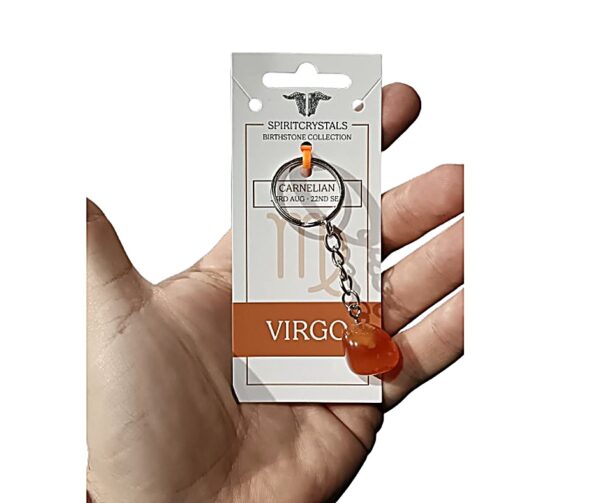
ZodiacTaurus · Cancer · Leo · Virgo
WaterSafe to rinse and dry
SunlightWon’t fade

What carnelian is

Carnelian is chalcedony, a form of quartz made of crystals far too small to see, coloured orange to red by iron oxide. Hold a good piece up to the light and it glows, like a coal in a fire.

Its name is thought to come from the Latin for the cornel cherry, a small red berry. Darker, browner pieces are sometimes sold as sard, and when carnelian is layered with white it becomes sardonyx.

Four thousand years of carnelian

Carnelian is one of the oldest gemstones people have worked. Ancient Egyptians set it into jewellery and amulets, and it appears in the treasures of Tutankhamun. In the Indus Valley, more than 4,000 years ago, craftsmen drilled long carnelian beads that were traded as far as Mesopotamia.

The Romans used it for signet rings, because hot sealing wax doesn’t stick to it, so a carved carnelian left a clean impression on a letter. It is still a favourite stone for carvings today.

Natural and heated carnelian

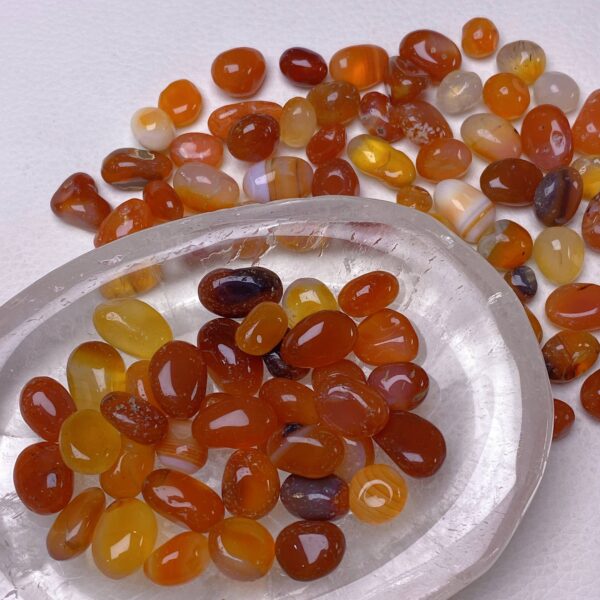
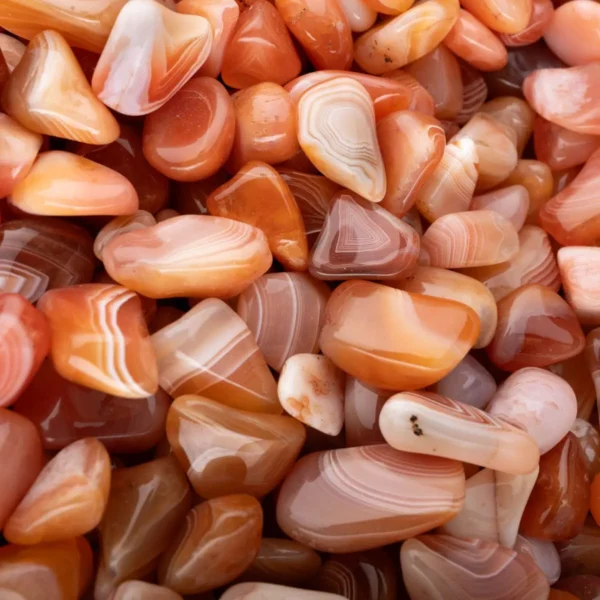
Gentle heat deepens and evens out the orange of chalcedony, and people have been heating carnelian for thousands of years. Much of the carnelian sold today has been heated, and some “carnelian” is grey agate dyed orange.

  • Natural: colour varies, often cloudy or in soft, uneven patches.
  • Heated: stronger, more even orange to red. Still real carnelian.
  • Dyed agate: colour sits along cracks and bands, and can look too bright. Ask the seller if you are unsure.

What carnelian is traditionally used for

In crystal tradition, carnelian is a warm, energising stone of courage, motivation and creativity. It is linked with the sacral chakra, for creativity and passion, and the root chakra, for drive.

  • Motivation: on a desk or carried for a busy day.
  • Courage: for a big presentation, exam or performance; see our confidence page.
  • Creativity: in a studio, workshop or kitchen.
  • Protection: an old amulet stone; see our protection page.

Looking after carnelian

  • Water: fine. Rinse it and dry it straight away.
  • Sunlight: fine. In fact many people charge carnelian in the sun by tradition.
  • Knocks: hard and tough, but store carvings and polished pieces apart from other hard stones.
  • Cleansing: running water, sunlight, a selenite plate or sound. See how to cleanse crystals.

More questions

Is carnelian heat treated?

Often, yes. Heating has been used for thousands of years to deepen its colour, and heated carnelian is still real carnelian. Some cheap “carnelian” is dyed agate.

How can I tell if carnelian is real?

Hold it to the light: real carnelian glows, with soft, uneven colour. Dyed agate shows colour concentrated along cracks and bands.

Can carnelian go in water?

Yes. Rinse it and dry it straight away.

Can carnelian go in the sun?

Yes. It won’t fade, and by tradition it is charged in sunlight.

What star sign is carnelian for?

It is traditionally linked with Taurus, Cancer, Leo and Virgo.

What is carnelian good for?

Traditionally courage, motivation, creativity and protection. Crystal meanings describe tradition and belief, not medical advice.

Crystal meanings describe tradition and belief, not medical advice.

More guides: Birthstones by month · Real or fake crystals? · How to cleanse crystals · All stones A–Z

In depth

Everything about carnelian

What carnelian is and what gives it its colour, its long history from Egyptian amulets to Roman seal rings, natural and heated carnelian, what it has traditionally been used for, and how to look after it. Written by the team at our crystal shops in Derby and Leicester.

MineralChalcedony (a form of quartz)
ColourOrange to deep red-brown
Hardness6.5 to 7 out of 10
Found inIndia, Brazil, Madagascar, Uruguay
ChakraSacral · Root
ZodiacTaurus · Cancer · Leo · Virgo
WaterSafe to rinse and dry
SunlightWon’t fade

What carnelian is

Carnelian is chalcedony, a form of quartz made of crystals far too small to see, coloured orange to red by iron oxide. Hold a good piece up to the light and it glows, like a coal in a fire.

Its name is thought to come from the Latin for the cornel cherry, a small red berry. Darker, browner pieces are sometimes sold as sard, and when carnelian is layered with white it becomes sardonyx.

Four thousand years of carnelian

Carnelian is one of the oldest gemstones people have worked. Ancient Egyptians set it into jewellery and amulets, and it appears in the treasures of Tutankhamun. In the Indus Valley, more than 4,000 years ago, craftsmen drilled long carnelian beads that were traded as far as Mesopotamia.

The Romans used it for signet rings, because hot sealing wax doesn’t stick to it, so a carved carnelian left a clean impression on a letter. It is still a favourite stone for carvings today.

Natural and heated carnelian

Gentle heat deepens and evens out the orange of chalcedony, and people have been heating carnelian for thousands of years. Much of the carnelian sold today has been heated, and some “carnelian” is grey agate dyed orange.

  • Natural: colour varies, often cloudy or in soft, uneven patches.
  • Heated: stronger, more even orange to red. Still real carnelian.
  • Dyed agate: colour sits along cracks and bands, and can look too bright. Ask the seller if you are unsure.

What carnelian is traditionally used for

In crystal tradition, carnelian is a warm, energising stone of courage, motivation and creativity. It is linked with the sacral chakra, for creativity and passion, and the root chakra, for drive.

  • Motivation: on a desk or carried for a busy day.
  • Courage: for a big presentation, exam or performance; see our confidence page.
  • Creativity: in a studio, workshop or kitchen.
  • Protection: an old amulet stone; see our protection page.

Looking after carnelian

  • Water: fine. Rinse it and dry it straight away.
  • Sunlight: fine. In fact many people charge carnelian in the sun by tradition.
  • Knocks: hard and tough, but store carvings and polished pieces apart from other hard stones.
  • Cleansing: running water, sunlight, a selenite plate or sound. See how to cleanse crystals.

More questions

Is carnelian heat treated?

Often, yes. Heating has been used for thousands of years to deepen its colour, and heated carnelian is still real carnelian. Some cheap “carnelian” is dyed agate.

How can I tell if carnelian is real?

Hold it to the light: real carnelian glows, with soft, uneven colour. Dyed agate shows colour concentrated along cracks and bands.

Can carnelian go in water?

Yes. Rinse it and dry it straight away.

Can carnelian go in the sun?

Yes. It won’t fade, and by tradition it is charged in sunlight.

What star sign is carnelian for?

It is traditionally linked with Taurus, Cancer, Leo and Virgo.

What is carnelian good for?

Traditionally courage, motivation, creativity and protection. Crystal meanings describe tradition and belief, not medical advice.

Crystal meanings describe tradition and belief, not medical advice.

More guides: Birthstones by month · Real or fake crystals? · How to cleanse crystals · All stones A–Z

Shop carnelian

See all 23 →