✦ Free UK delivery over £40✦ Shop live with us by video, from anywhere →✦ Every £10 is a stamp towards a free pet rock
SpiritCrystals
Christmas at Highcross, LeicesterMeet Santa · Saturday 12 & 19 December11am–5pm · free with a completed festive loyalty cardFind out more →All December at Highcross, LeicesterA free geode to crack openpick up your free voucher in the shop · Highcross onlyFind out more →
✦ Free UK delivery over £40 · Shop live by video
SpiritCrystals
Meet Santa at HighcrossSat 12 & 19 Dec · 11am–5pm · LeicesterA free geode all DecemberVoucher in our Highcross shop · Leicester
Crystal guide · Online and in our shops

Hematite the grounding stone

A heavy, silver-black iron ore that turns red when ground, the source of the red ochre in prehistoric cave paintings. Traditionally kept for grounding, focus and protection.

Shop hematite →All stones A–Z
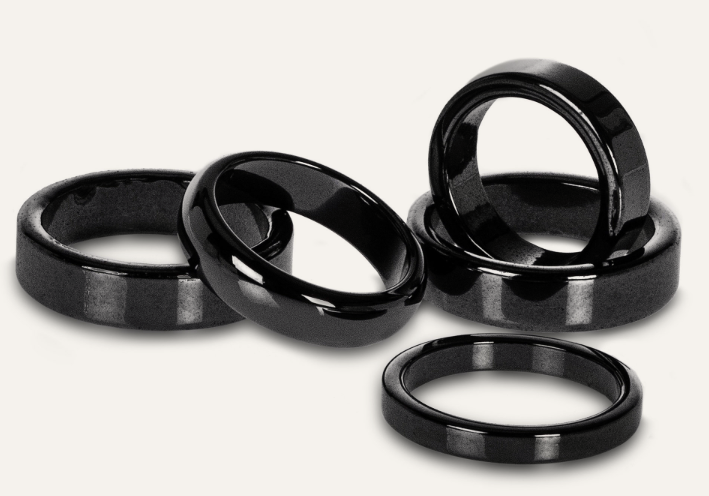
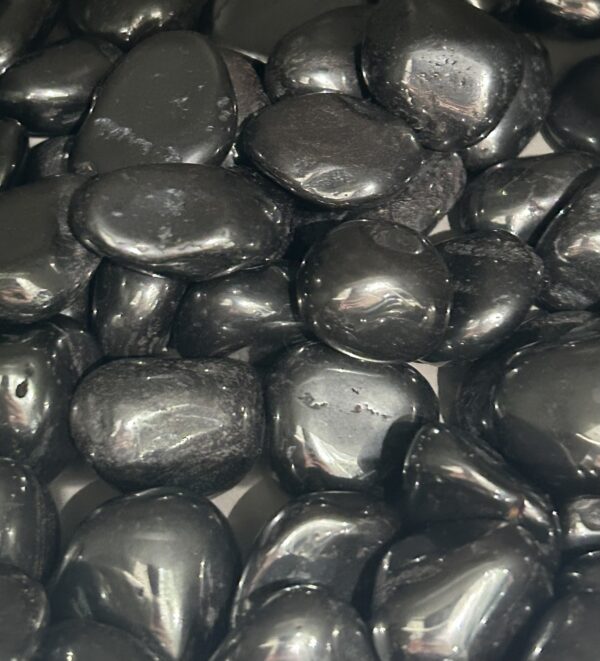
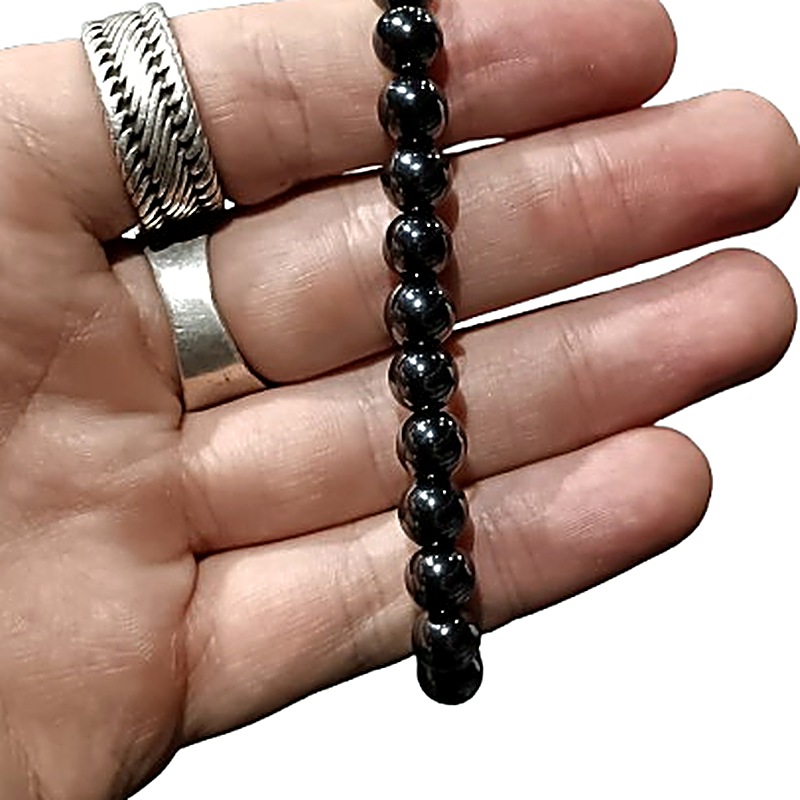
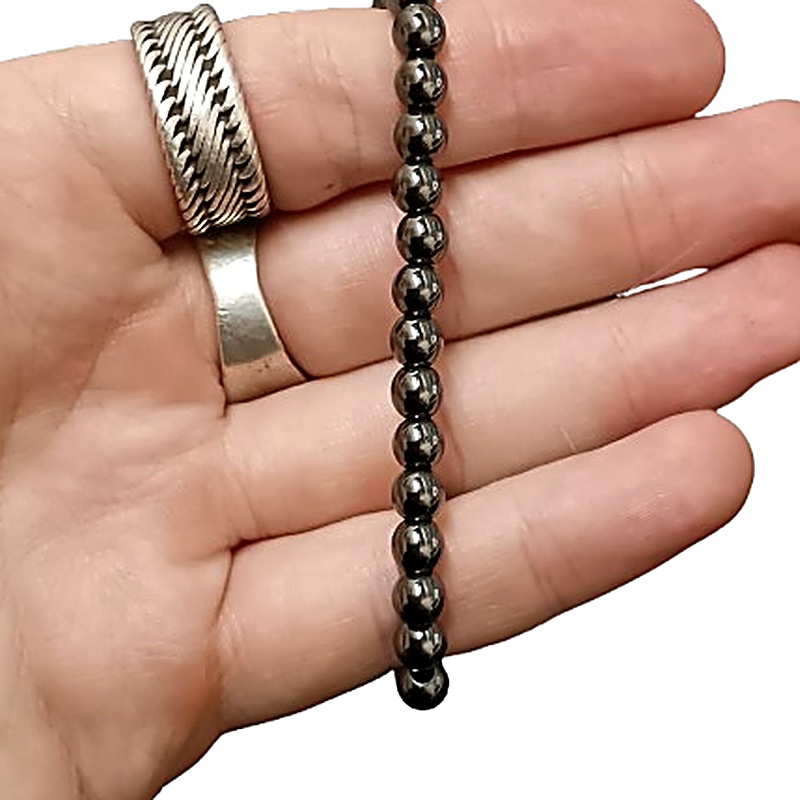
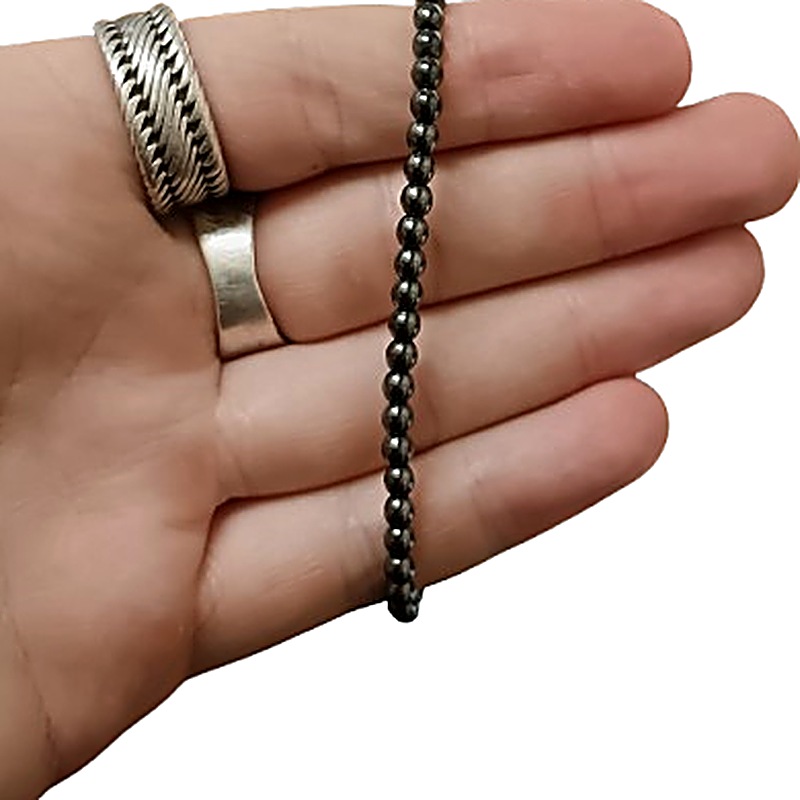
Tumblestones, bubble hematite and bracelets online and in our Derby and Leicester shops
In depth

Everything about hematite

What hematite is and why it turns red, bubble hematite and the famous kidney ore of Cumbria, the truth about magnetic hematite, what it has traditionally been used for, and how to look after it. Written by the team at our crystal shops in Derby and Leicester.

MineralIron oxide
ColourSilver-black, metallic
StreakRed-brown
Hardness5.5 to 6.5 out of 10
Found inBrazil, Morocco, England, Australia
ChakraRoot
ZodiacAries · Aquarius
WaterKeep it dry: it can rust

What hematite is

Hematite is iron oxide, the most important iron ore on Earth. Polished, it is a heavy, shiny silver-black stone. But scratch it across unglazed porcelain and it leaves a red-brown streak, and ground into powder it is red.

That is where its name comes from: the Greek haima, “blood”. Red ochre, made from hematite, was used in some of the oldest cave paintings and burials in the world, tens of thousands of years ago. Hematite is even found on Mars, and helps give the planet its red colour.

Bubble hematite and Cumbrian kidney ore

Hematite sometimes grows in rounded, bubbly lumps called botryoidal hematite, from the Greek for “bunch of grapes”. We call it bubble hematite. It formed as iron-rich water deposited layer upon layer of hematite, and if you break a piece you can see fine radiating fibres inside.

The most famous of all came from England: the iron mines of west Cumbria, around Egremont and Cleator Moor, produced shiny “kidney ore” prized by museums and collectors worldwide. Today most bubble hematite on sale comes from Morocco.

Magnetic hematite: the truth

Natural hematite is only very weakly magnetic: a fridge magnet will barely notice it. The strongly magnetic bracelets and beads sold as “magnetic hematite” are a man-made material, usually iron-based ceramics called ferrites, sometimes sold as hematine.

They are popular and fun to play with, but they are not natural hematite. If something sticks firmly to a magnet, it is not natural hematite. People with a pacemaker or other medical device should keep strong magnets away from it.

What hematite is traditionally used for

Heavy, cool and iron-rich, hematite is known in crystal tradition as one of the most grounding stones of all. It is linked with the root chakra, and with steadiness, focus and protection.

  • Grounding: held after a busy or overwhelming day.
  • Focus: on a desk for study and work; see our focus page.
  • Protection: carried as a shield; see our protection page.
  • Strength: an old warriors’ stone, linked with courage and stamina.

Looking after hematite

  • Water: keep it dry. Hematite is iron, and water can leave rust spots. Wipe it with a soft, dry cloth.
  • Knocks: it is brittle and can crack if dropped on a hard floor.
  • Shine: rub it with a dry cloth to bring back the silver gloss.
  • Cleansing: moonlight, a selenite plate or sound, never water or salt. See which crystals can’t go in water.

More questions

Is hematite magnetic?

Natural hematite is only very weakly magnetic. Strongly magnetic “hematite” is a man-made material, often sold as magnetic hematite or hematine.

Why is hematite red when it is silver?

Ground into powder, hematite is red. Its name comes from the Greek for blood, and red ochre is made from it.

Can hematite go in water?

No. It is iron oxide and can rust. Keep it dry and wipe it with a soft cloth.

What is bubble hematite?

Hematite that grew in rounded, bubbly lumps, also called botryoidal hematite or kidney ore.

Why did my hematite bracelet break?

Hematite is brittle, and a knock can crack a bead. It is said traditionally to break when it has absorbed too much negativity.

What is hematite good for?

Traditionally grounding, focus, protection and strength. Crystal meanings describe tradition and belief, not medical advice.

Crystal meanings describe tradition and belief, not medical advice.

More guides: Birthstones by month · Real or fake crystals? · How to cleanse crystals · All stones A–Z

In depth

Everything about hematite

What hematite is and why it turns red, bubble hematite and the famous kidney ore of Cumbria, the truth about magnetic hematite, what it has traditionally been used for, and how to look after it. Written by the team at our crystal shops in Derby and Leicester.

MineralIron oxide
ColourSilver-black, metallic
StreakRed-brown
Hardness5.5 to 6.5 out of 10
Found inBrazil, Morocco, England, Australia
ChakraRoot
ZodiacAries · Aquarius
WaterKeep it dry: it can rust

What hematite is

Hematite is iron oxide, the most important iron ore on Earth. Polished, it is a heavy, shiny silver-black stone. But scratch it across unglazed porcelain and it leaves a red-brown streak, and ground into powder it is red.

That is where its name comes from: the Greek haima, “blood”. Red ochre, made from hematite, was used in some of the oldest cave paintings and burials in the world, tens of thousands of years ago. Hematite is even found on Mars, and helps give the planet its red colour.

Bubble hematite and Cumbrian kidney ore

Hematite sometimes grows in rounded, bubbly lumps called botryoidal hematite, from the Greek for “bunch of grapes”. We call it bubble hematite. It formed as iron-rich water deposited layer upon layer of hematite, and if you break a piece you can see fine radiating fibres inside.

The most famous of all came from England: the iron mines of west Cumbria, around Egremont and Cleator Moor, produced shiny “kidney ore” prized by museums and collectors worldwide. Today most bubble hematite on sale comes from Morocco.

Magnetic hematite: the truth

Natural hematite is only very weakly magnetic: a fridge magnet will barely notice it. The strongly magnetic bracelets and beads sold as “magnetic hematite” are a man-made material, usually iron-based ceramics called ferrites, sometimes sold as hematine.

They are popular and fun to play with, but they are not natural hematite. If something sticks firmly to a magnet, it is not natural hematite. People with a pacemaker or other medical device should keep strong magnets away from it.

What hematite is traditionally used for

Heavy, cool and iron-rich, hematite is known in crystal tradition as one of the most grounding stones of all. It is linked with the root chakra, and with steadiness, focus and protection.

  • Grounding: held after a busy or overwhelming day.
  • Focus: on a desk for study and work; see our focus page.
  • Protection: carried as a shield; see our protection page.
  • Strength: an old warriors’ stone, linked with courage and stamina.

Looking after hematite

  • Water: keep it dry. Hematite is iron, and water can leave rust spots. Wipe it with a soft, dry cloth.
  • Knocks: it is brittle and can crack if dropped on a hard floor.
  • Shine: rub it with a dry cloth to bring back the silver gloss.
  • Cleansing: moonlight, a selenite plate or sound, never water or salt. See which crystals can’t go in water.

More questions

Is hematite magnetic?

Natural hematite is only very weakly magnetic. Strongly magnetic “hematite” is a man-made material, often sold as magnetic hematite or hematine.

Why is hematite red when it is silver?

Ground into powder, hematite is red. Its name comes from the Greek for blood, and red ochre is made from it.

Can hematite go in water?

No. It is iron oxide and can rust. Keep it dry and wipe it with a soft cloth.

What is bubble hematite?

Hematite that grew in rounded, bubbly lumps, also called botryoidal hematite or kidney ore.

Why did my hematite bracelet break?

Hematite is brittle, and a knock can crack a bead. It is said traditionally to break when it has absorbed too much negativity.

What is hematite good for?

Traditionally grounding, focus, protection and strength. Crystal meanings describe tradition and belief, not medical advice.

Crystal meanings describe tradition and belief, not medical advice.

More guides: Birthstones by month · Real or fake crystals? · How to cleanse crystals · All stones A–Z

Shop hematite