✦ Free UK delivery over £40✦ Shop live with us by video, from anywhere →✦ Every £10 is a stamp towards a free pet rock
SpiritCrystals
Christmas at Highcross, LeicesterMeet Santa · Saturday 12 & 19 December11am–5pm · free with a completed festive loyalty cardFind out more →All December at Highcross, LeicesterA free geode to crack openpick up your free voucher in the shop · Highcross onlyFind out more →
✦ Free UK delivery over £40 · Shop live by video
SpiritCrystals
Meet Santa at HighcrossSat 12 & 19 Dec · 11am–5pm · LeicesterA free geode all DecemberVoucher in our Highcross shop · Leicester
Crystal guide · Online and in our shops

Jade the stone of heaven

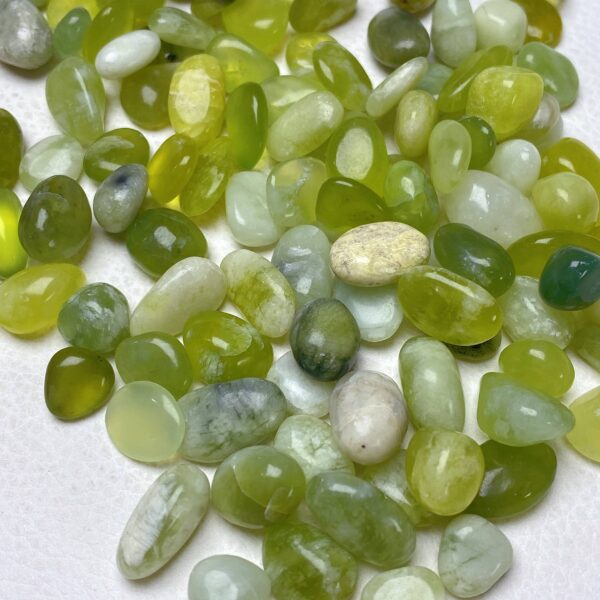
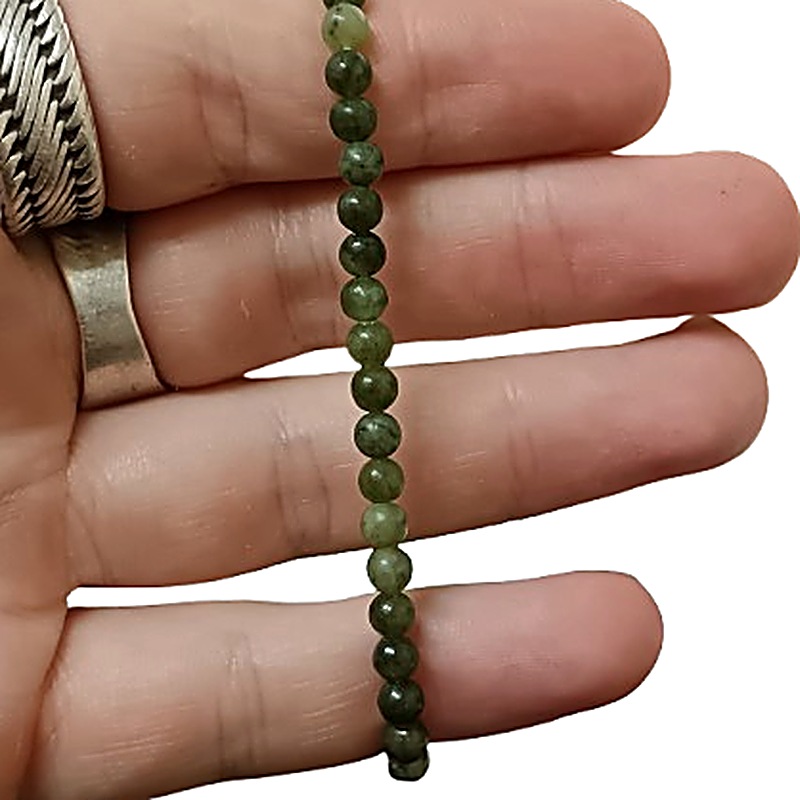
Prized in China for thousands of years and tougher than steel to break. Real jade is two minerals, nephrite and jadeite, and many stones sold as jade are something else. Traditionally kept for luck, harmony and calm.

Shop jade →All stones A–Z
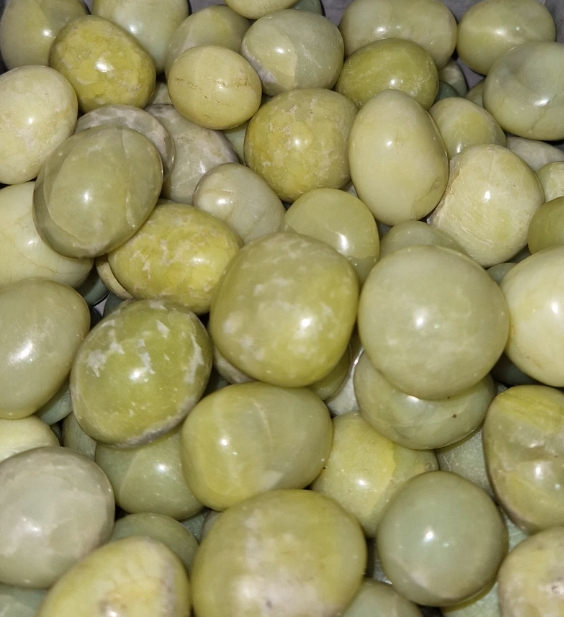
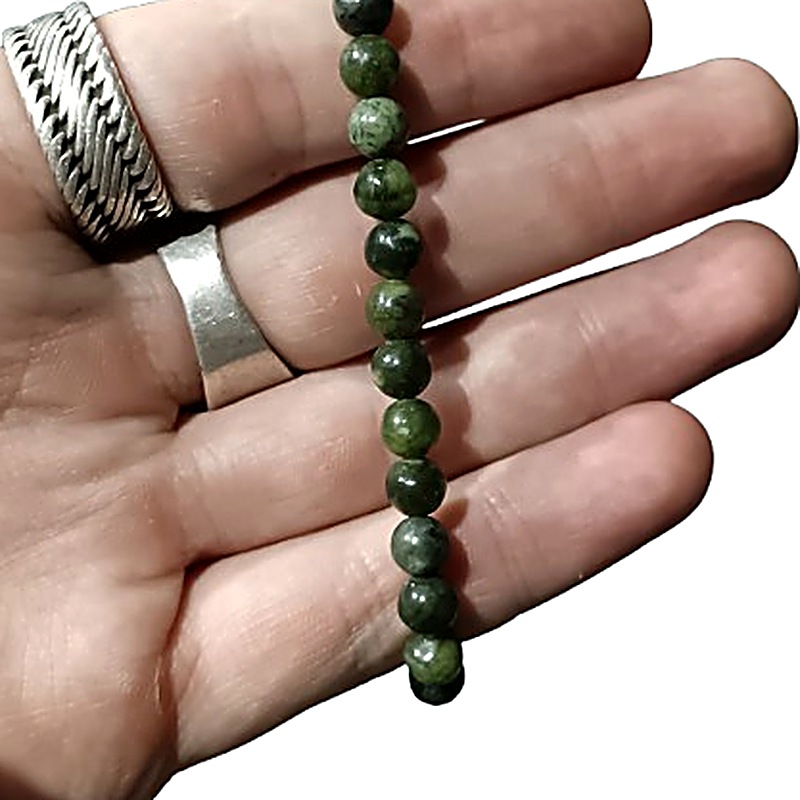
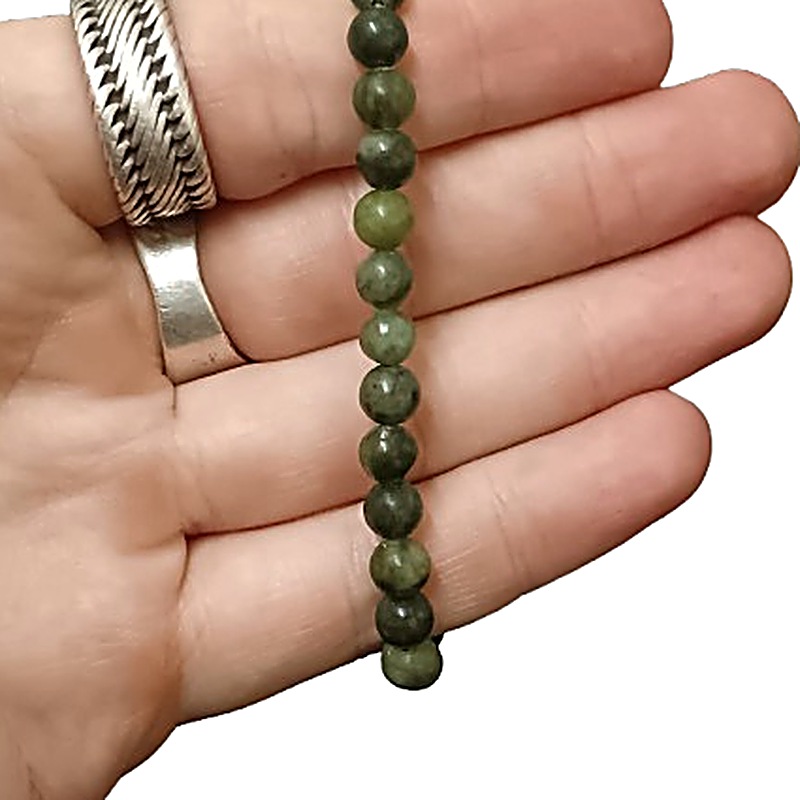
Tumblestones and bracelets online and in our Derby and Leicester shops
In depth

Everything about jade

What real jade is, the difference between nephrite and jadeite, the many stones sold under jade names, its long history in China and New Zealand, what it has traditionally been used for, and how to look after it. Written by the team at our crystal shops in Derby and Leicester.

MineralNephrite or jadeite
ColourGreen, also white, lavender, yellow
Hardness6 to 7 out of 10, very tough
Found inMyanmar, China, Canada, New Zealand
ChakraHeart
ZodiacTaurus · Libra
WaterSafe to rinse and dry
SunlightWon’t fade (natural colour)

What real jade is

In 1863 a French scientist worked out that “jade” is really two different minerals that look alike. Nephrite is the jade of ancient China and New Zealand, usually in spinach to olive greens and creamy whites. Jadeite is rarer and found mainly in Myanmar; the finest, glowing emerald-green jadeite is among the most valuable stones in the world.

Both are made of tiny interlocking fibres or grains, which makes jade extraordinarily tough. It is not especially hard, but it is very hard to break, which is why it was used for axes and blades long before it became jewellery.

Stones sold as jade

Because jade is so loved, lots of other green stones are sold with “jade” in their name. Most are attractive stones in their own right, but they are not nephrite or jadeite.

  • Afghan jade: usually a pale green serpentine or marble, not jade.
  • New jade: a trade name for serpentine.
  • Malaysia or Mashan jade: quartzite or other stone dyed green or other colours.
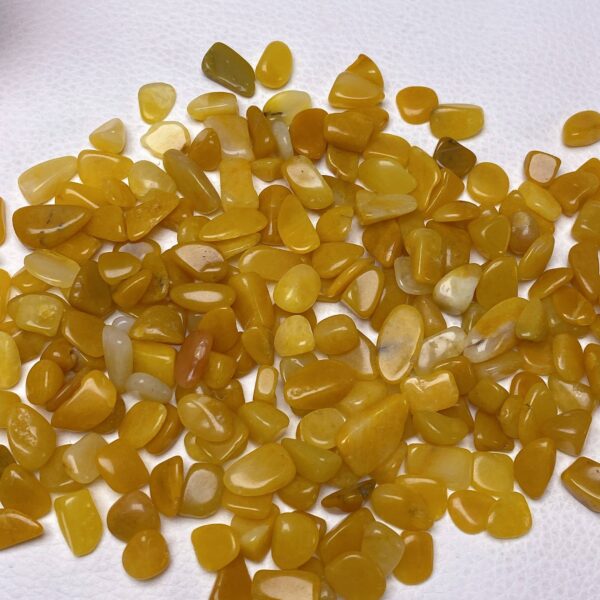
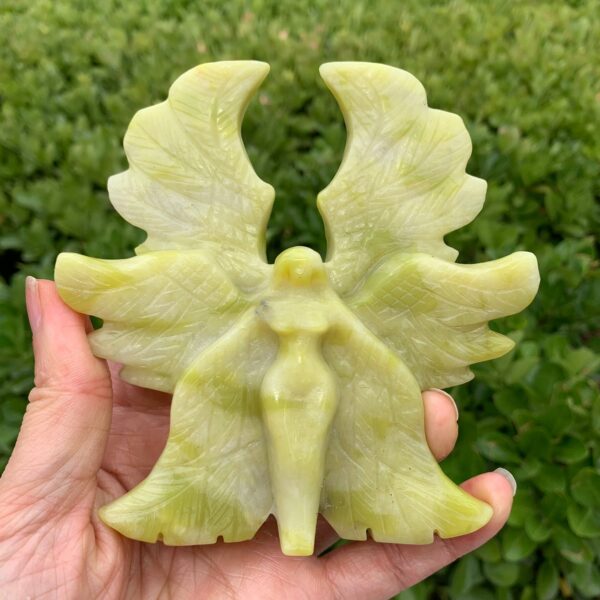
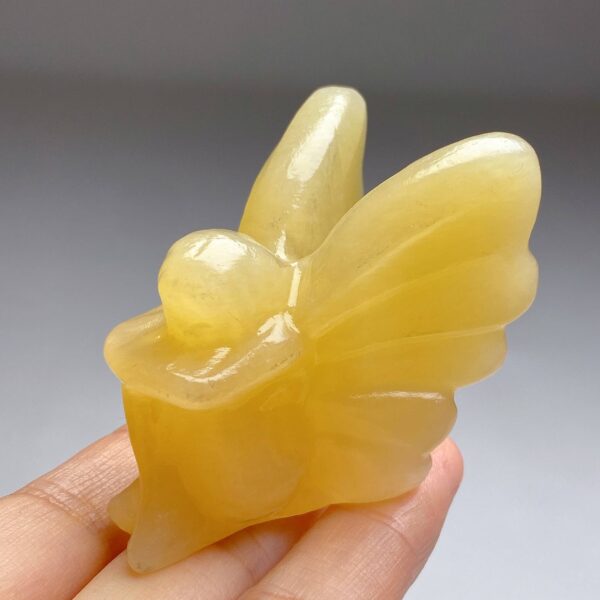
  • Yellow jade: can be nephrite, but is often serpentine or dyed stone.
  • Indian jade: usually green aventurine.
  • Jadeite-treated: some jadeite is bleached and filled with resin (sold as B jade) or dyed (C jade). Untreated jadeite is called A jade.

Jade in China and New Zealand

In China jade has been carved for more than 7,000 years. Confucius compared its qualities to the virtues of a good person, and it was known as the “stone of heaven”, buried with emperors and given as a sign of respect.

In New Zealand, Māori call nephrite pounamu, or greenstone. It is a treasure (taonga) carved into tools and pendants such as the hei-tiki, passed down through families and traditionally given as a gift rather than bought for yourself.

What jade is traditionally used for

In crystal tradition, jade is a gentle stone of luck, harmony and calm, linked with the heart chakra. Many people wear a jade bracelet all the time for luck and protection, especially in Chinese tradition.

  • Luck: worn every day; see our luck page.
  • Harmony: in the home or given as a gift between family and friends.
  • Calm: held as a worry stone; see calm and sleep.
  • Abundance: a traditional stone for prosperity; see our abundance page.

How to tell real jade

  • Feel: real jade feels cool, smooth and heavy for its size.
  • Look: under a strong light, nephrite shows a fine fibrous texture and jadeite a grainy, sugary one. Dyed stone shows colour collected in cracks.
  • Name: “Afghan”, “Mashan”, “Malaysia”, “new” and “Indian” jade are other stones.
  • Certificates: for an expensive jadeite piece, ask for a lab report saying it is untreated (A jade).

Looking after jade

  • Water: fine for real jade. Rinse it and dry it. Dyed and resin-filled stones are best kept away from hot water and soap.
  • Oils: wearing it lets your skin’s oils give it a soft shine over time, a tradition in China.
  • Knocks: very tough, but polished surfaces can still scratch against harder stones.
  • Cleansing: running water, moonlight, a selenite plate or sound. See how to cleanse crystals.

More questions

What is real jade?

Two minerals: nephrite and jadeite. Both are very tough stones, usually green, also white, lavender and yellow.

Is Afghan jade real jade?

No. Afghan jade is usually serpentine or marble. It is a pretty stone, just not nephrite or jadeite.

Which is more valuable, nephrite or jadeite?

Jadeite, especially bright, translucent green jadeite from Myanmar, which can be extremely valuable.

How can I tell if jade is real?

Real jade feels cool and heavy and shows a fibrous or grainy texture under a strong light. For an expensive piece, ask for a lab report.

Can jade go in water?

Real jade can be rinsed and dried. Keep dyed stones away from hot water and soap.

What is jade good for?

Traditionally luck, harmony, calm and prosperity. Crystal meanings describe tradition and belief, not medical advice.

Crystal meanings describe tradition and belief, not medical advice.
More guides: Birthstones by month · Real or fake crystals? · How to cleanse crystals · All stones A–Z

In depth

Everything about jade

What real jade is, the difference between nephrite and jadeite, the many stones sold under jade names, its long history in China and New Zealand, what it has traditionally been used for, and how to look after it. Written by the team at our crystal shops in Derby and Leicester.

MineralNephrite or jadeite
ColourGreen, also white, lavender, yellow
Hardness6 to 7 out of 10, very tough
Found inMyanmar, China, Canada, New Zealand
ChakraHeart
ZodiacTaurus · Libra
WaterSafe to rinse and dry
SunlightWon’t fade (natural colour)

What real jade is

In 1863 a French scientist worked out that “jade” is really two different minerals that look alike. Nephrite is the jade of ancient China and New Zealand, usually in spinach to olive greens and creamy whites. Jadeite is rarer and found mainly in Myanmar; the finest, glowing emerald-green jadeite is among the most valuable stones in the world.

Both are made of tiny interlocking fibres or grains, which makes jade extraordinarily tough. It is not especially hard, but it is very hard to break, which is why it was used for axes and blades long before it became jewellery.

Stones sold as jade

Because jade is so loved, lots of other green stones are sold with “jade” in their name. Most are attractive stones in their own right, but they are not nephrite or jadeite.

  • Afghan jade: usually a pale green serpentine or marble, not jade.
  • New jade: a trade name for serpentine.
  • Malaysia or Mashan jade: quartzite or other stone dyed green or other colours.
  • Yellow jade: can be nephrite, but is often serpentine or dyed stone.
  • Indian jade: usually green aventurine.
  • Jadeite-treated: some jadeite is bleached and filled with resin (sold as B jade) or dyed (C jade). Untreated jadeite is called A jade.

Jade in China and New Zealand

In China jade has been carved for more than 7,000 years. Confucius compared its qualities to the virtues of a good person, and it was known as the “stone of heaven”, buried with emperors and given as a sign of respect.

In New Zealand, Māori call nephrite pounamu, or greenstone. It is a treasure (taonga) carved into tools and pendants such as the hei-tiki, passed down through families and traditionally given as a gift rather than bought for yourself.

What jade is traditionally used for

In crystal tradition, jade is a gentle stone of luck, harmony and calm, linked with the heart chakra. Many people wear a jade bracelet all the time for luck and protection, especially in Chinese tradition.

  • Luck: worn every day; see our luck page.
  • Harmony: in the home or given as a gift between family and friends.
  • Calm: held as a worry stone; see calm and sleep.
  • Abundance: a traditional stone for prosperity; see our abundance page.

How to tell real jade

  • Feel: real jade feels cool, smooth and heavy for its size.
  • Look: under a strong light, nephrite shows a fine fibrous texture and jadeite a grainy, sugary one. Dyed stone shows colour collected in cracks.
  • Name: “Afghan”, “Mashan”, “Malaysia”, “new” and “Indian” jade are other stones.
  • Certificates: for an expensive jadeite piece, ask for a lab report saying it is untreated (A jade).

Looking after jade

  • Water: fine for real jade. Rinse it and dry it. Dyed and resin-filled stones are best kept away from hot water and soap.
  • Oils: wearing it lets your skin’s oils give it a soft shine over time, a tradition in China.
  • Knocks: very tough, but polished surfaces can still scratch against harder stones.
  • Cleansing: running water, moonlight, a selenite plate or sound. See how to cleanse crystals.

More questions

What is real jade?

Two minerals: nephrite and jadeite. Both are very tough stones, usually green, also white, lavender and yellow.

Is Afghan jade real jade?

No. Afghan jade is usually serpentine or marble. It is a pretty stone, just not nephrite or jadeite.

Which is more valuable, nephrite or jadeite?

Jadeite, especially bright, translucent green jadeite from Myanmar, which can be extremely valuable.

How can I tell if jade is real?

Real jade feels cool and heavy and shows a fibrous or grainy texture under a strong light. For an expensive piece, ask for a lab report.

Can jade go in water?

Real jade can be rinsed and dried. Keep dyed stones away from hot water and soap.

What is jade good for?

Traditionally luck, harmony, calm and prosperity. Crystal meanings describe tradition and belief, not medical advice.

Crystal meanings describe tradition and belief, not medical advice.

More guides: Birthstones by month · Real or fake crystals? · How to cleanse crystals · All stones A–Z

Shop jade

See all 13 →