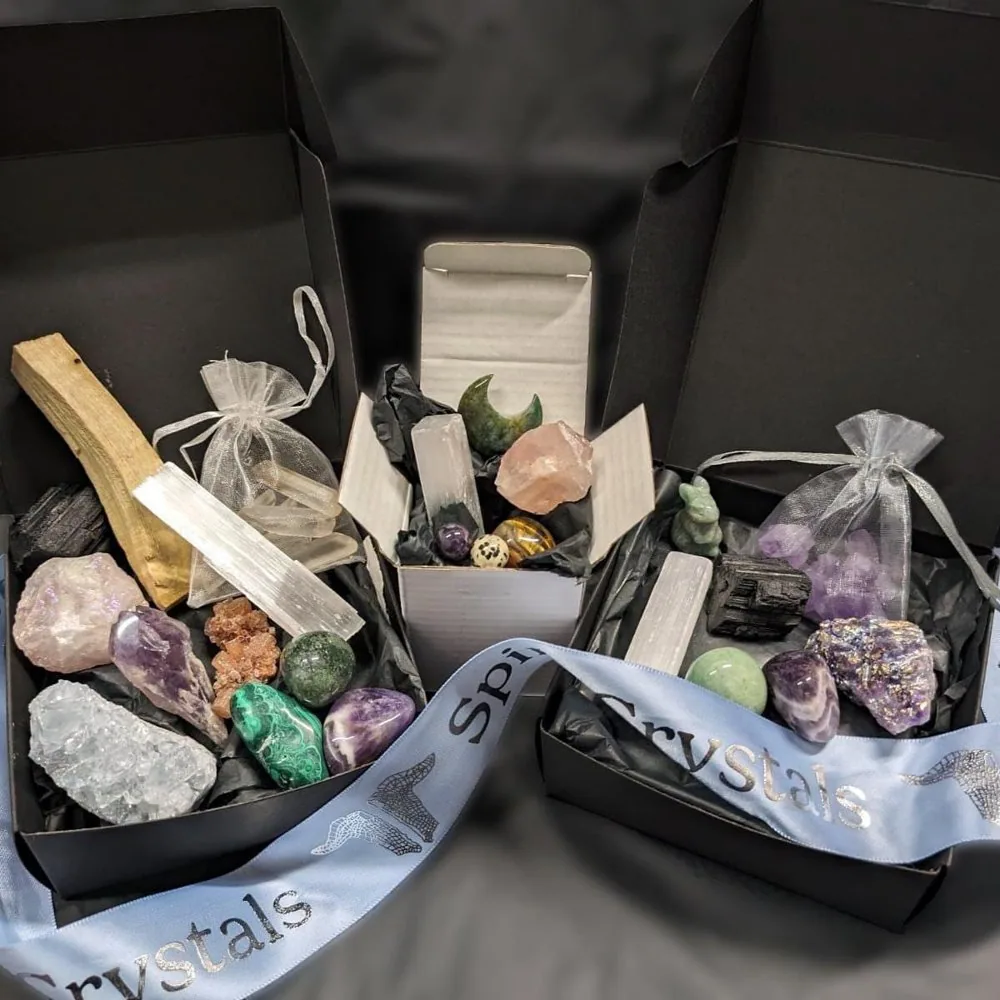

Crystals that fade
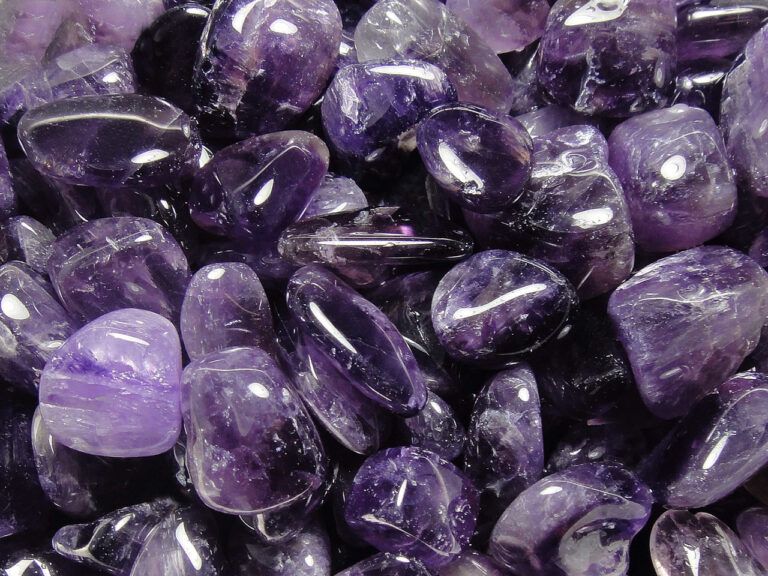
- Amethyst: purple can pale towards lilac or grey
- Rose quartz: pink can wash out
- Citrine: golden tones can soften
- Smoky quartz: can lighten
- Fluorite: purples and greens can fade
- Celestite: the soft blue can turn grey
- Kunzite: pink fades quickly
Dyed stones fade too. Colour that comes from a dye isn’t as stable as a stone’s natural colour.
How long it takes
Fading happens slowly, over weeks or months of strong, direct sun. A crystal that catches a bit of light in a room, or spends a sunny afternoon outside, will be fine. A permanent spot on a south-facing windowsill is the thing to avoid.
⚠ Clear spheres and sunny windows
A clear crystal sphere can focus sunlight like a magnifying glass and scorch whatever is behind it. Keep spheres away from sunny windowsills, curtains and wooden shelves in direct sun.
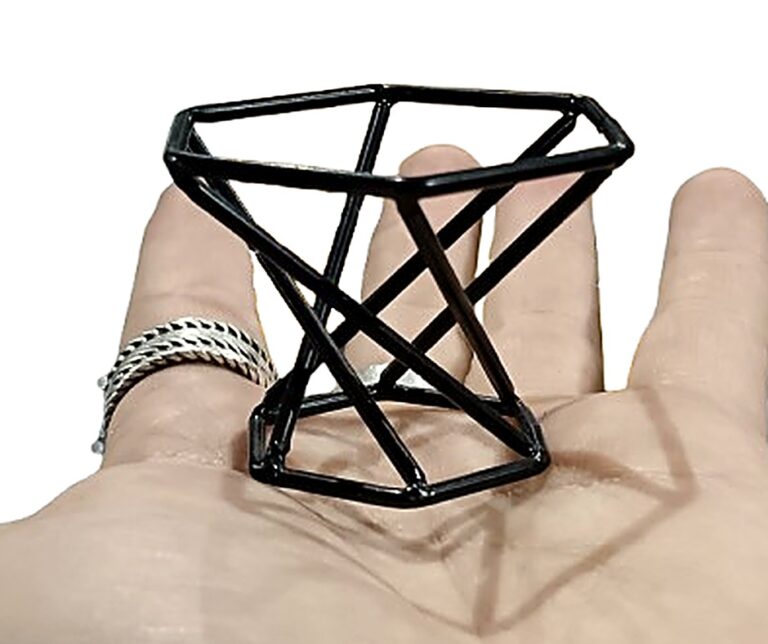
Happy in the sun
Dark and opaque stones are generally fine in daylight, such as black tourmaline, obsidian, red jasper, tiger’s eye and pyrite.

Moonlight is always safe
Moonlight won’t fade anything, which is one reason the full moon is such a popular time to cleanse and charge crystals. How to cleanse your crystals.
Questions
Does amethyst fade in the sun?
Yes. Amethyst’s purple can slowly fade in strong, direct sunlight over weeks or months. Keep it out of sunny windows.
Does rose quartz fade in the sun?
Yes, rose quartz can lose some of its pink in strong sunlight over time. Moonlight is always fine.
Can I charge crystals in sunlight?
Many people do, briefly, with stones that don’t fade. For amethyst, rose quartz, citrine and other colourful stones, use moonlight instead.
Read next
Crystal meanings, cleansing and charging describe tradition and belief, not science or medical advice. Water and sun advice is about protecting the stone.